Forest Health
Summer Tree Insects to Keep an Eye On
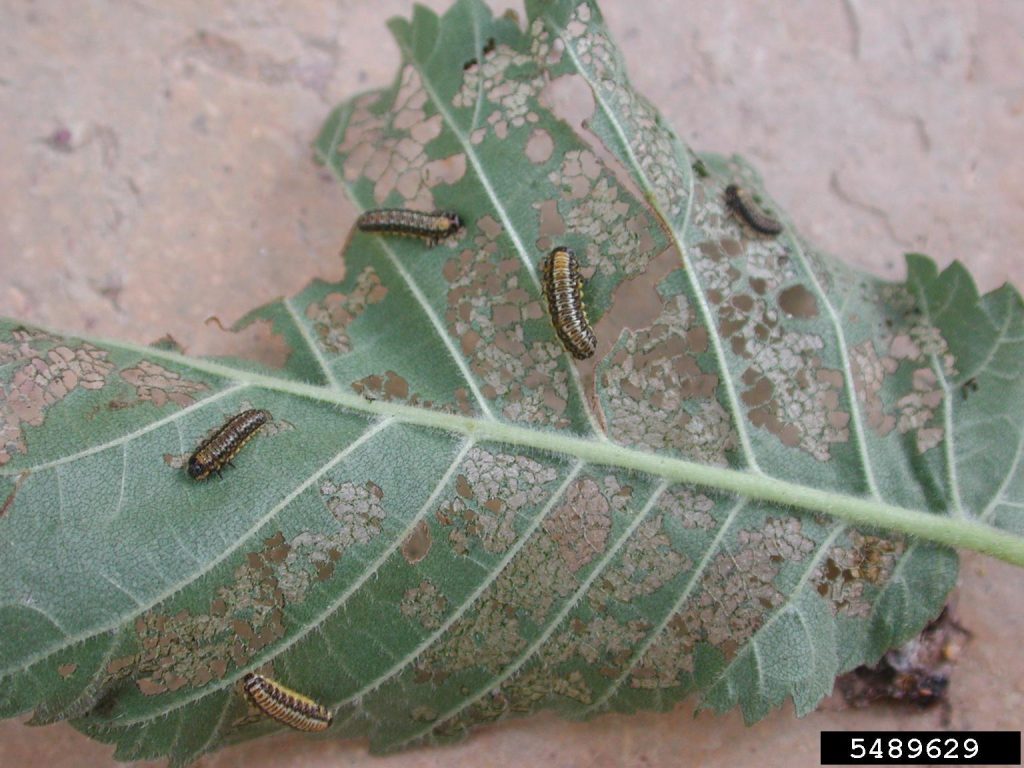
Southern pine beetle, spotted lanternfly, fall webworm, and elm leaf beetles, oh my! Keep your eyes open for these summer tree insects.


Southern pine beetle, spotted lanternfly, fall webworm, and elm leaf beetles, oh my! Keep your eyes open for these summer tree insects.

On May 8, Governor Brian Kemp signed HB 223 into law, providing multiple forms of tax relief for timber owners and farmers who suffered substantial economic losses from Hurricane Helene. Key provisions are listed here.
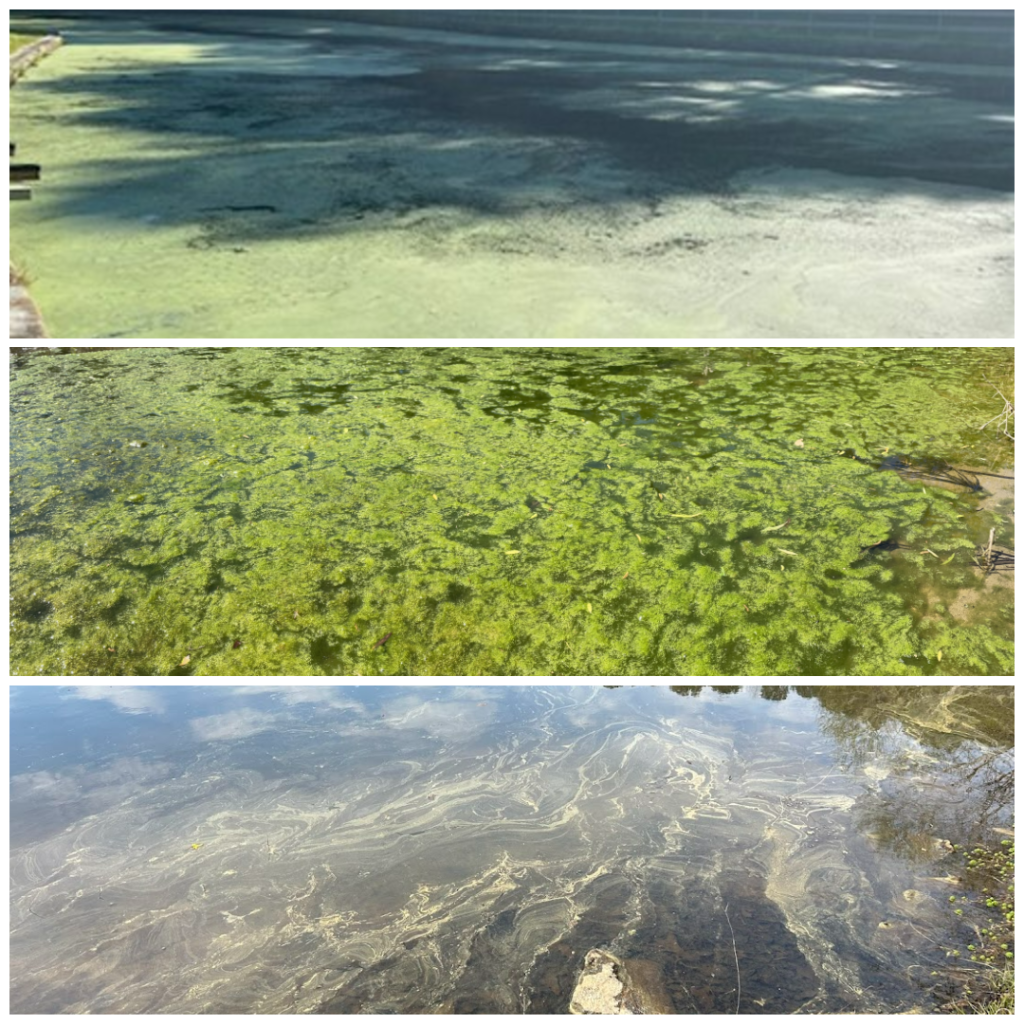
Springtime in Georgia may be delightful, but for pond owners, it often brings about confusion and frustration as their ponds undergo seasonal changes. One such change is the appearance of plants and other organic materials on the surface of the pond.
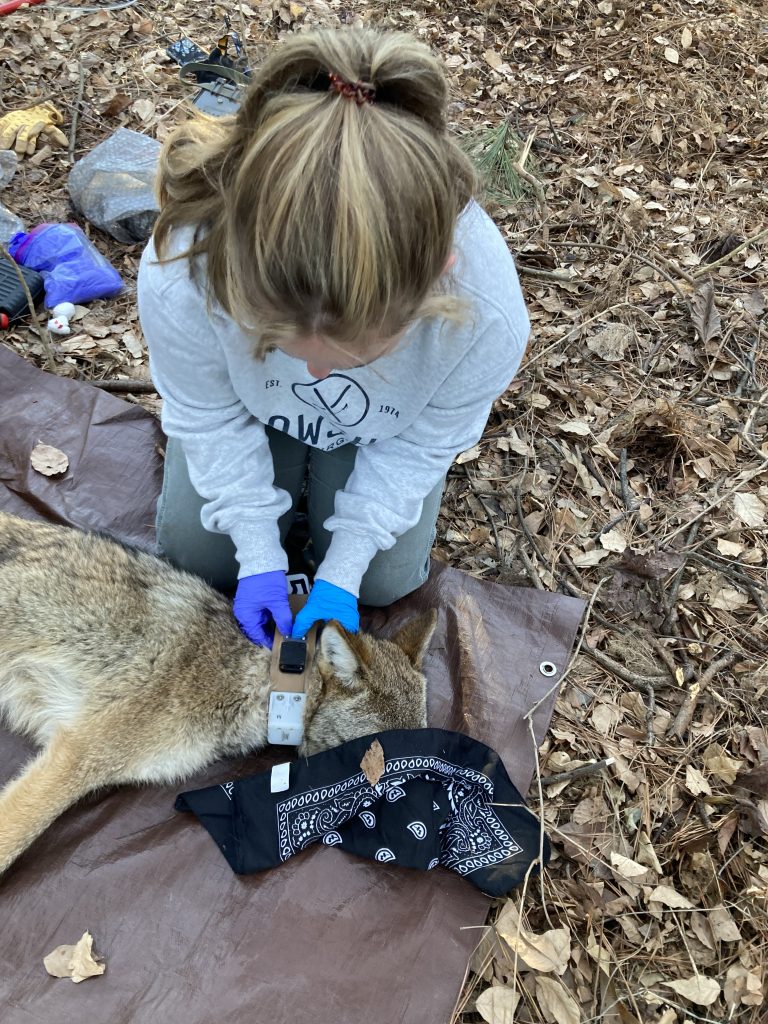
As human populations grow and encroach upon wildlife habitats, the potential for human-wildlife interactions increases. Atlanta is home to over 6 million people and ranked as the 4th fastest-growing city in the United States. Atlanta’s extensive green spaces and dense canopy cover allow for wildlife to thrive, including the coyote (Canis latrans).
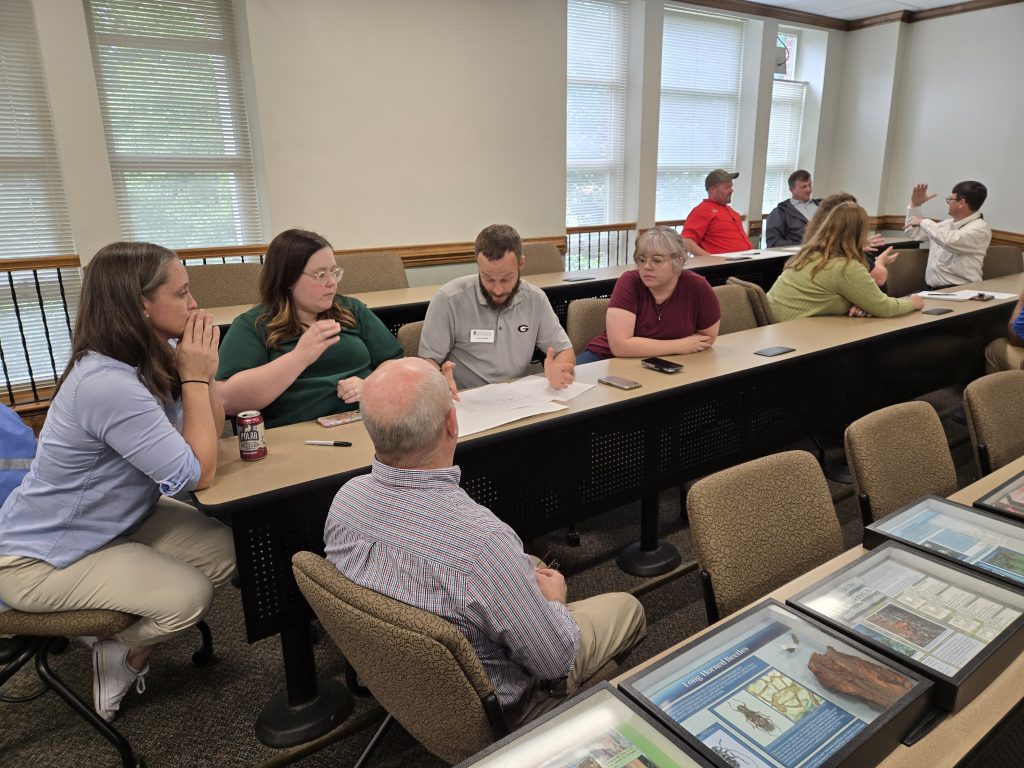
Approximately 82% of the US population lives in urban and suburban areas, environments which have several socio-economic and ecological stressors that can reduce human health and well-being and diminish ecosystem health. Urban trees help ameliorate many of the stressors urban areas face, for example by reducing air temperature and pollution, increasing health and well-being, and providing wildlife habitat and numerous ecosystem services.
Southern pine beetle, spotted lanternfly, fall webworm, and elm leaf beetles, oh my! Keep your eyes open for these summer tree insects.
On May 8, Governor Brian Kemp signed HB 223 into law, providing multiple forms of tax relief for timber owners and farmers who suffered substantial economic losses from Hurricane Helene. Key provisions are listed here.
Springtime in Georgia may be delightful, but for pond owners, it often brings about confusion and frustration as their ponds undergo seasonal changes. One such change is the appearance of plants and other organic materials on the surface of the pond.
As human populations grow and encroach upon wildlife habitats, the potential for human-wildlife interactions increases. Atlanta is home to over 6 million people and ranked as the 4th fastest-growing city in the United States. Atlanta’s extensive green spaces and dense canopy cover allow for wildlife to thrive, including the coyote (Canis latrans).
Approximately 82% of the US population lives in urban and suburban areas, environments which have several socio-economic and ecological stressors that can reduce human health and well-being and diminish ecosystem health. Urban trees help ameliorate many of the stressors urban areas face, for example by reducing air temperature and pollution, increasing health and well-being, and providing wildlife habitat and numerous ecosystem services.