

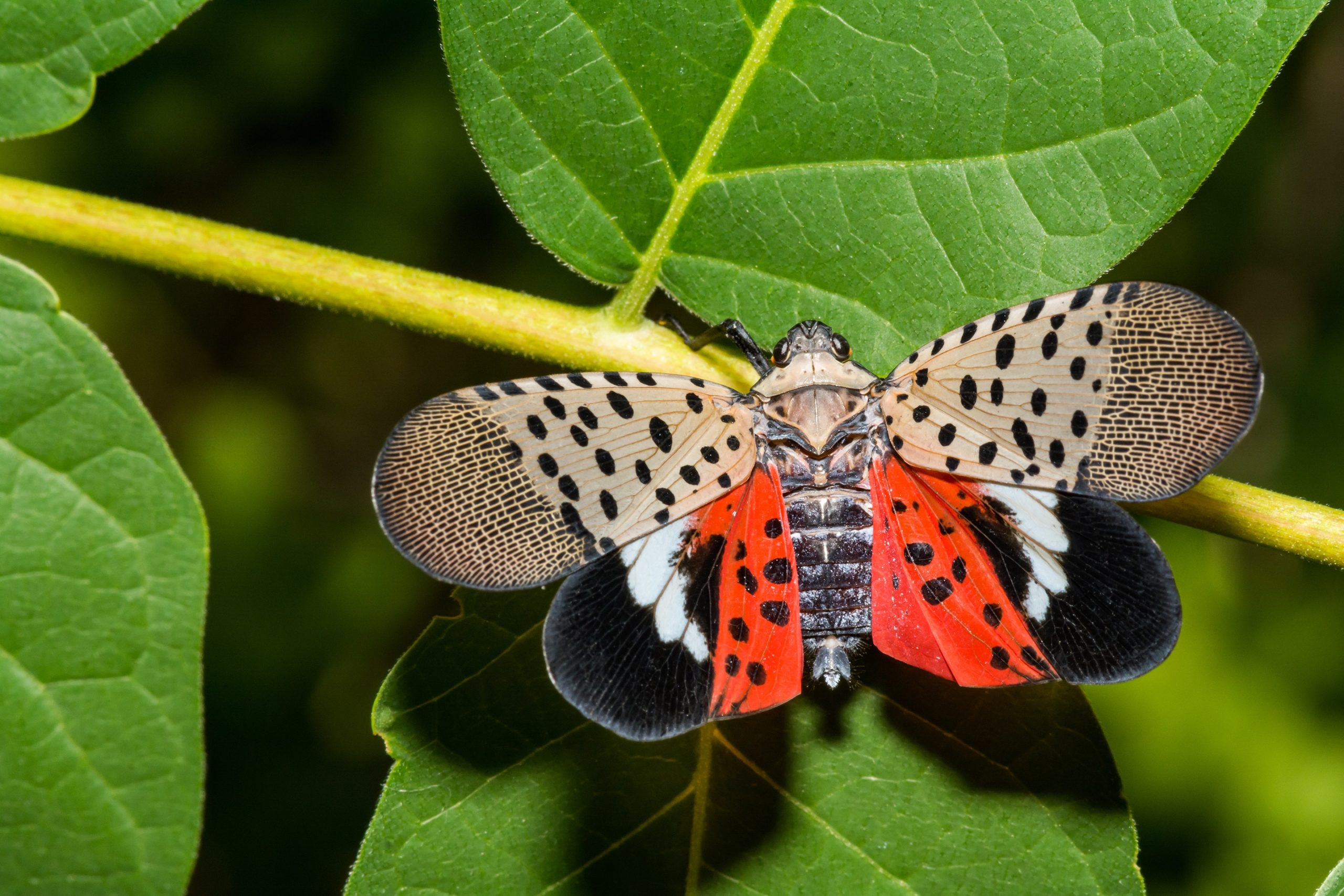
Located at UGA's Tifton campus, this research center is a partnership between Warnell and the UGA College of Agriculture and Environmental Sciences. Research and programs are focused on invasive species, forest health, and natural and agricultural management.
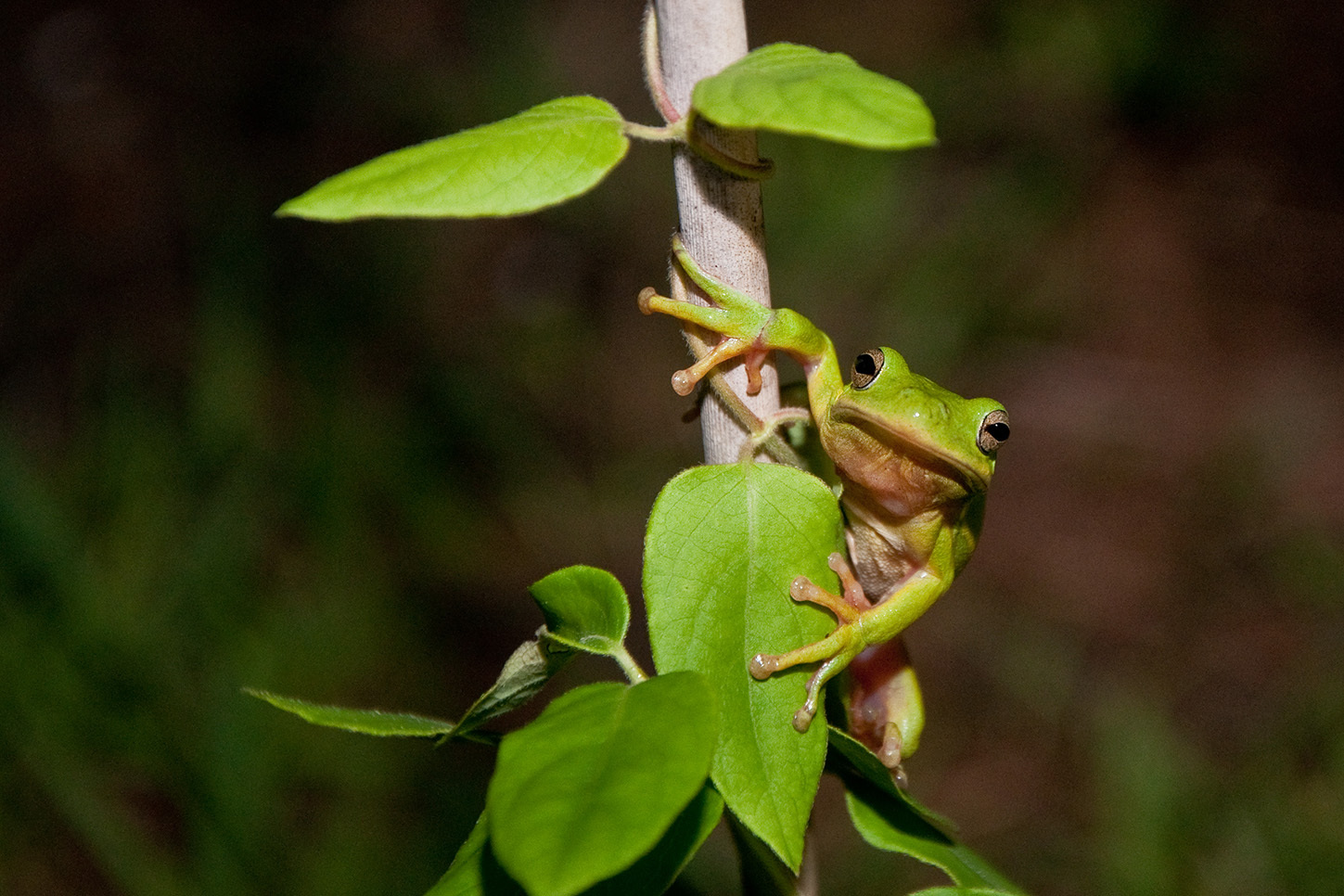
This adult education course is a series of weekly programs with specific environmental topics, customized to local habitats such as swamps, rivers, farms, urban landscapes, and the issues affecting them. The course was developed by Warnell and UGA Cooperative Extension for people who wish to be more informed about habitats, natural resources, and the natural environments of our state.
This voluntary logger education program is a continuing education program that provides important instruction in areas such as safety, sustainability, timberland management, harvesting, and logistics. This is a key program for both loggers and landowners.
The UGA Forest Health Lab focuses on forest insect research and outreach to provide practical guidance on natural resources management. Currently, lab projects involve hemlock woolly adelgid, Nantucket pine tip moth, stream macroinvertebrates, and pollinator habitat in urban forests.
Located at UGA's Tifton campus, this research center is a partnership between Warnell and the UGA College of Agriculture and Environmental Sciences. Research and programs are focused on invasive species, forest health, and natural and agricultural management.
This adult education course is a series of weekly programs with specific environmental topics, customized to local habitats such as swamps, rivers, farms, urban landscapes, and the issues affecting them. The course was developed by Warnell and UGA Cooperative Extension for people who wish to be more informed about habitats, natural resources, and the natural environments of our state.
This voluntary logger education program is a continuing education program that provides important instruction in areas such as safety, sustainability, timberland management, harvesting, and logistics. This is a key program for both loggers and landowners.
The UGA Forest Health Lab focuses on forest insect research and outreach to provide practical guidance on natural resources management. Currently, lab projects involve hemlock woolly adelgid, Nantucket pine tip moth, stream macroinvertebrates, and pollinator habitat in urban forests.
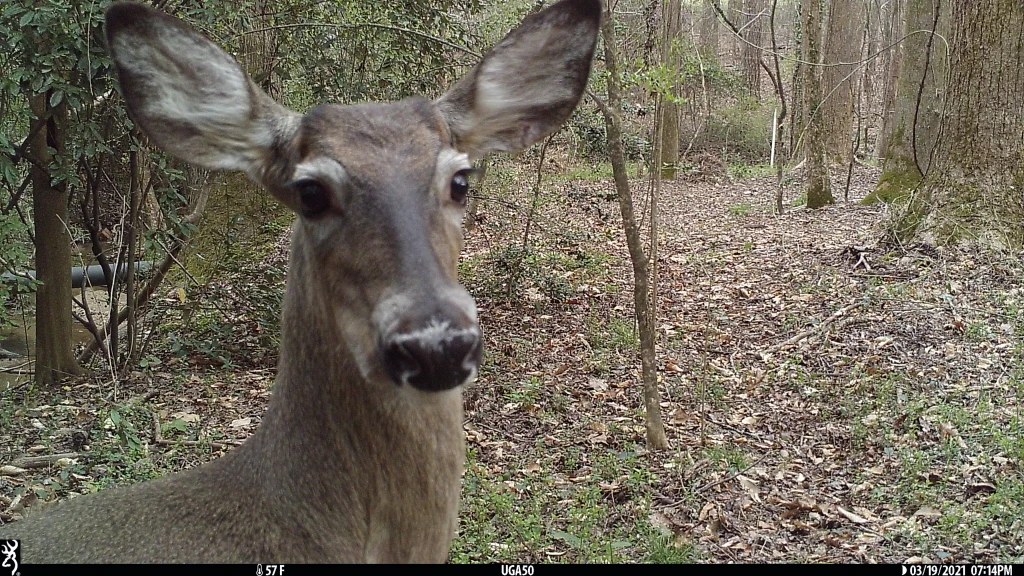
Warnell Extension partnered with the Urban Wildlife Information Network to create the Athens Urban Wildlife Project. Athens was the 35th city in a collective that now numbers over 55 cities around the world working towards the shared goal of building the largest global network of urban wildlife data. The projects centers the importance of protecting our greenspaces and the wildlife who inhabit them.
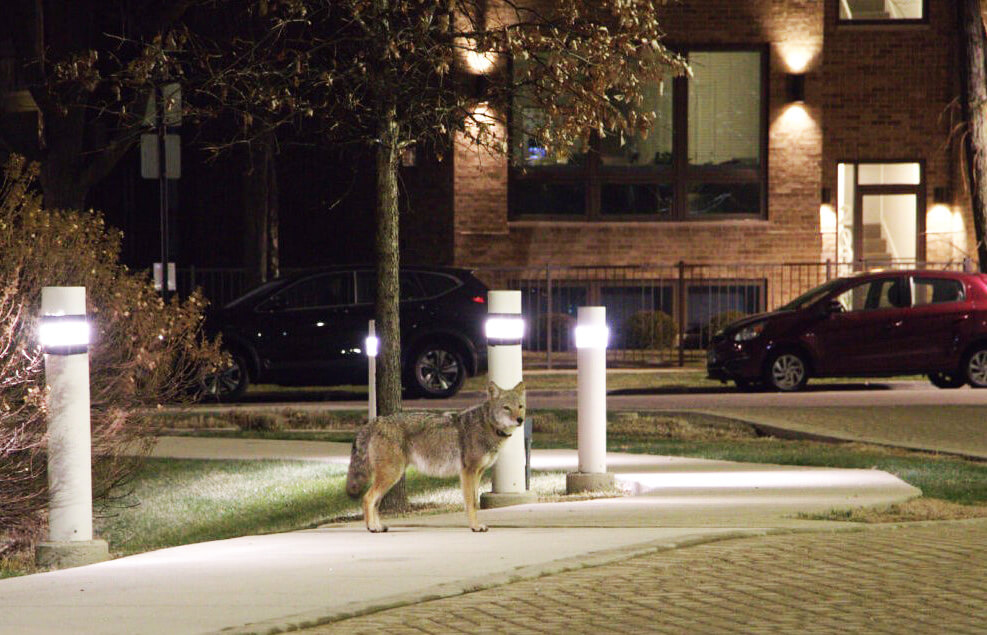
Wildlife Atlanta is a group of scientists and extension specialists in the Warnell School of Forestry and Natural Resources at the University of Georgia. We utilize wildlife interaction data, combined with coyote spatial and wildlife distribution data obtained through our research, to create targeted outreach materials for residents in high-risk conflict areas of Atlanta.
The goal of the Southern Regional Extension Forestry Office is to identify, prescribe, and implement a mix of education and technical services that increase the efficiency of forestry programs in the southern United States.
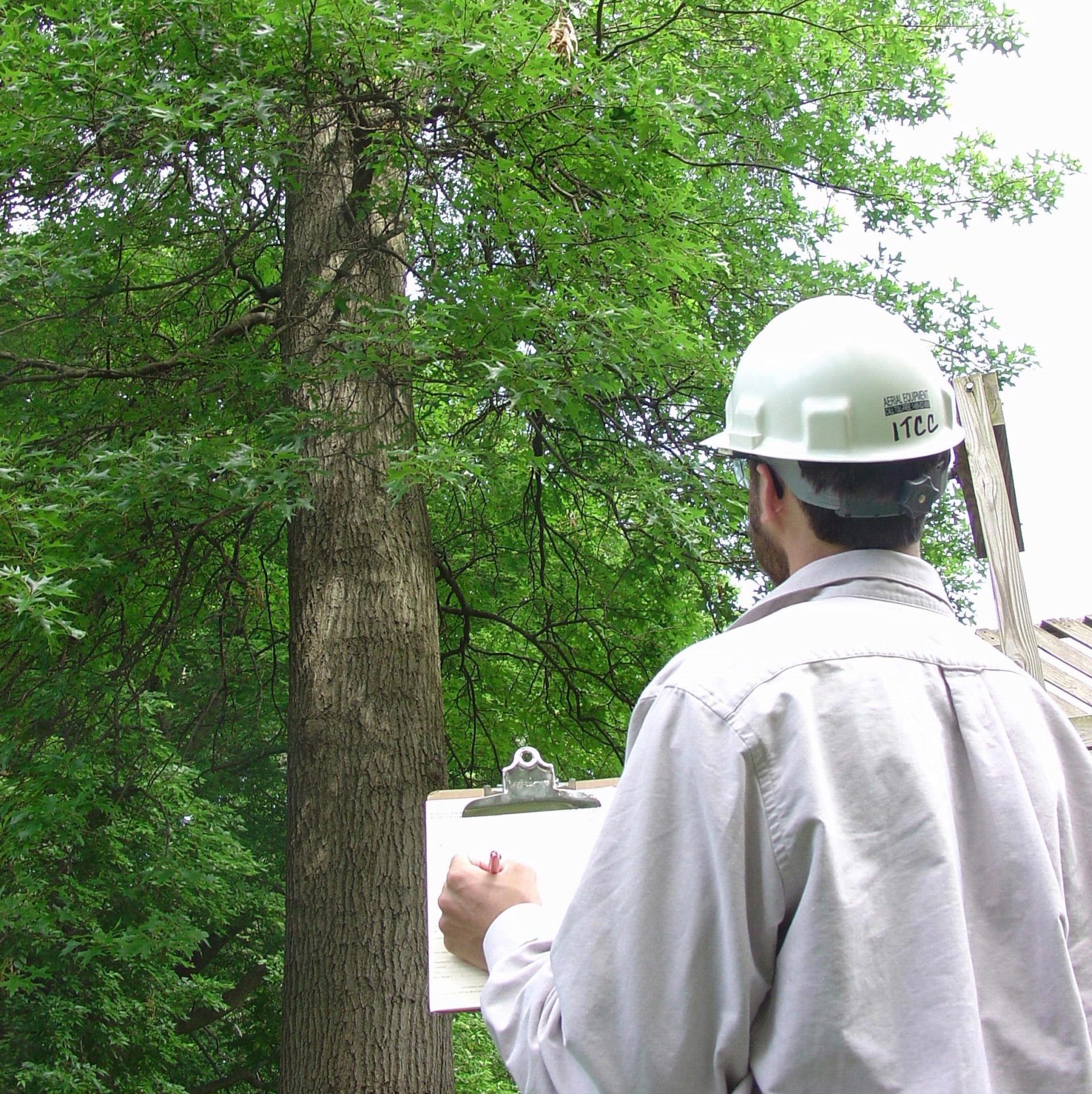
This lab synthesizes and integrates research on tree biology, pest/tree dynamics, and soil/tree relations. Researchers develop new methods for assessing tree health and prescribing treatments.
Warnell Extension partnered with the Urban Wildlife Information Network to create the Athens Urban Wildlife Project. Athens was the 35th city in a collective that now numbers over 55 cities around the world working towards the shared goal of building the largest global network of urban wildlife data. The projects centers the importance of protecting our greenspaces and the wildlife who inhabit them.
Wildlife Atlanta is a group of scientists and extension specialists in the Warnell School of Forestry and Natural Resources at the University of Georgia. We utilize wildlife interaction data, combined with coyote spatial and wildlife distribution data obtained through our research, to create targeted outreach materials for residents in high-risk conflict areas of Atlanta.
The goal of the Southern Regional Extension Forestry Office is to identify, prescribe, and implement a mix of education and technical services that increase the efficiency of forestry programs in the southern United States.
This lab synthesizes and integrates research on tree biology, pest/tree dynamics, and soil/tree relations. Researchers develop new methods for assessing tree health and prescribing treatments.