Wildlife
The Return of the New World Screwworm
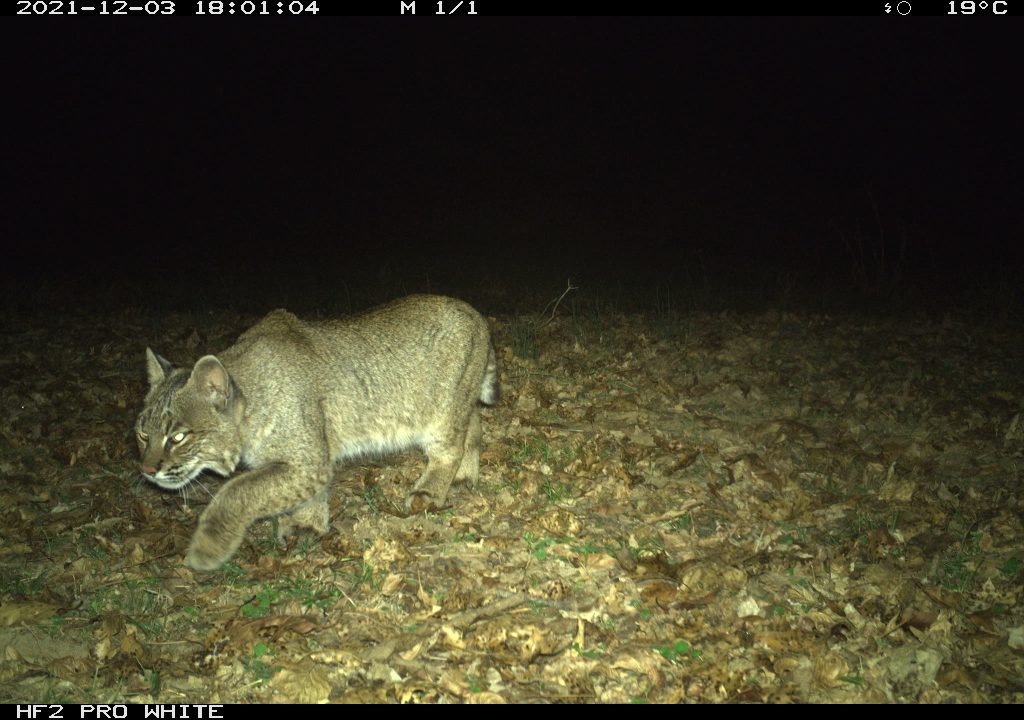
Following an outbreak that moved northward through Central America and Mexico, the U.S. Department of Agriculture (USDA) confirmed the return of the New World screwworm into the U.S. in June 2026.


Following an outbreak that moved northward through Central America and Mexico, the U.S. Department of Agriculture (USDA) confirmed the return of the New World screwworm into the U.S. in June 2026.
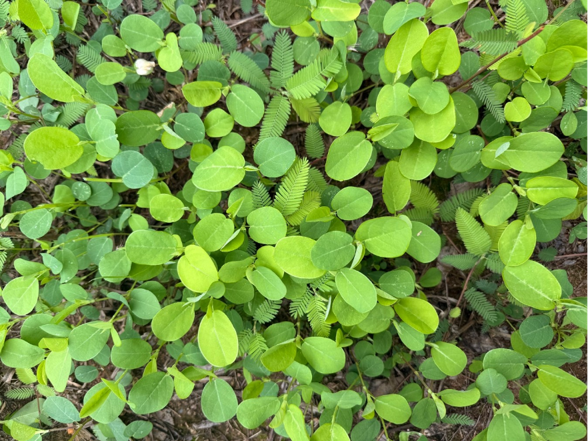
Soybeans are are an excellent summer forages for white-tailed deer in Georgia but they can be challenging to successfully establish and maintain. Luckily, there are several worthwhile legume alternatives!
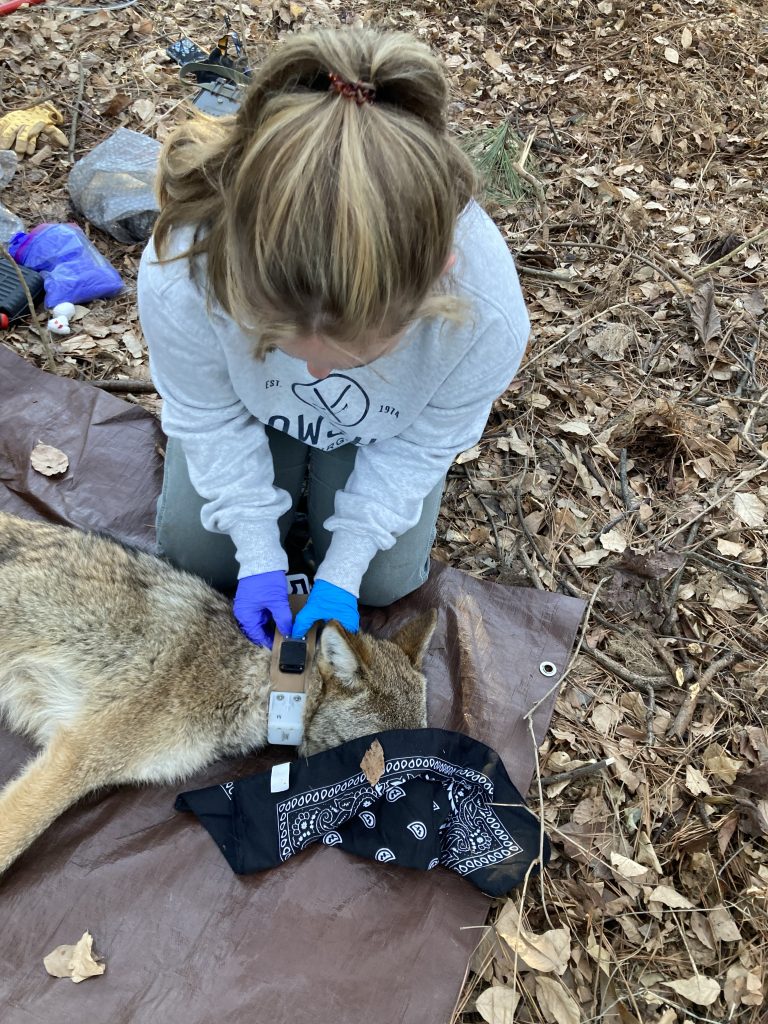
As human populations grow and encroach upon wildlife habitats, the potential for human-wildlife interactions increases. Atlanta is home to over 6 million people and ranked as the 4th fastest-growing city in the United States. Atlanta’s extensive green spaces and dense canopy cover allow for wildlife to thrive, including the coyote (Canis latrans).

Wild pigs are an invasive species in the United States, with population estimates exceeding 6 million animals across 31 states. Wild pig damage to agriculture, private property and natural resources exceeds $150 million annually in Georgia.

Wild pigs are abundant, troublesome, and widespread in Georgia. The wild pig population has now spread to about 38 states and the population may exceed 7 million animals. Pigs are habitat generalists and omnivores.
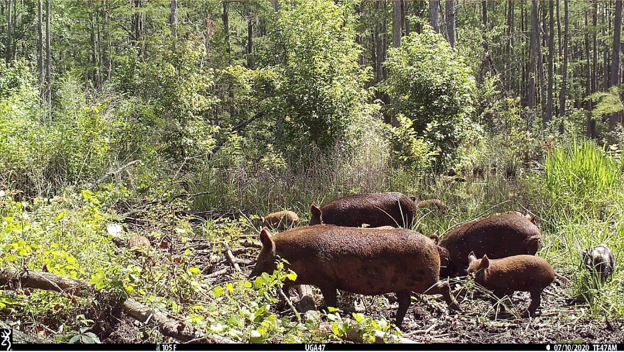
Wild pigs cause approximately 150 million dollars of damage annually in Georgia and over 2.5 billion dollars of damage annually nationwide. They are well established in the state and throughout the Southeast.
Following an outbreak that moved northward through Central America and Mexico, the U.S. Department of Agriculture (USDA) confirmed the return of the New World screwworm into the U.S. in June 2026.
Soybeans are are an excellent summer forages for white-tailed deer in Georgia but they can be challenging to successfully establish and maintain. Luckily, there are several worthwhile legume alternatives!
As human populations grow and encroach upon wildlife habitats, the potential for human-wildlife interactions increases. Atlanta is home to over 6 million people and ranked as the 4th fastest-growing city in the United States. Atlanta’s extensive green spaces and dense canopy cover allow for wildlife to thrive, including the coyote (Canis latrans).
Wild pigs are an invasive species in the United States, with population estimates exceeding 6 million animals across 31 states. Wild pig damage to agriculture, private property and natural resources exceeds $150 million annually in Georgia.
Wild pigs are abundant, troublesome, and widespread in Georgia. The wild pig population has now spread to about 38 states and the population may exceed 7 million animals. Pigs are habitat generalists and omnivores.
Wild pigs cause approximately 150 million dollars of damage annually in Georgia and over 2.5 billion dollars of damage annually nationwide. They are well established in the state and throughout the Southeast.