Wildlife
The Return of the New World Screwworm
Following an outbreak that moved northward through Central America and Mexico, the U.S. Department of Agriculture (USDA) confirmed the return of the New World screwworm into the U.S. in June 2026.


Following an outbreak that moved northward through Central America and Mexico, the U.S. Department of Agriculture (USDA) confirmed the return of the New World screwworm into the U.S. in June 2026.
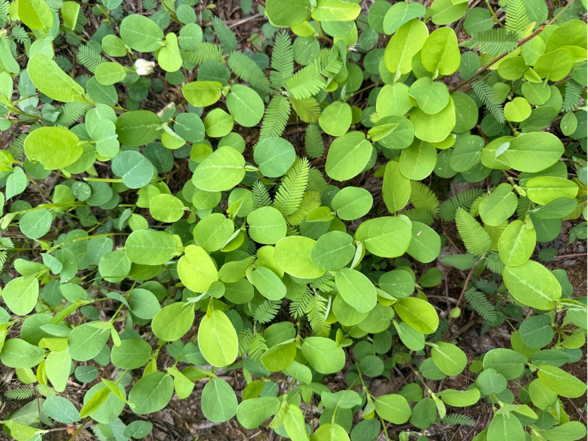
Soybeans are are an excellent summer forages for white-tailed deer in Georgia but they can be challenging to successfully establish and maintain. Luckily, there are several worthwhile legume alternatives!
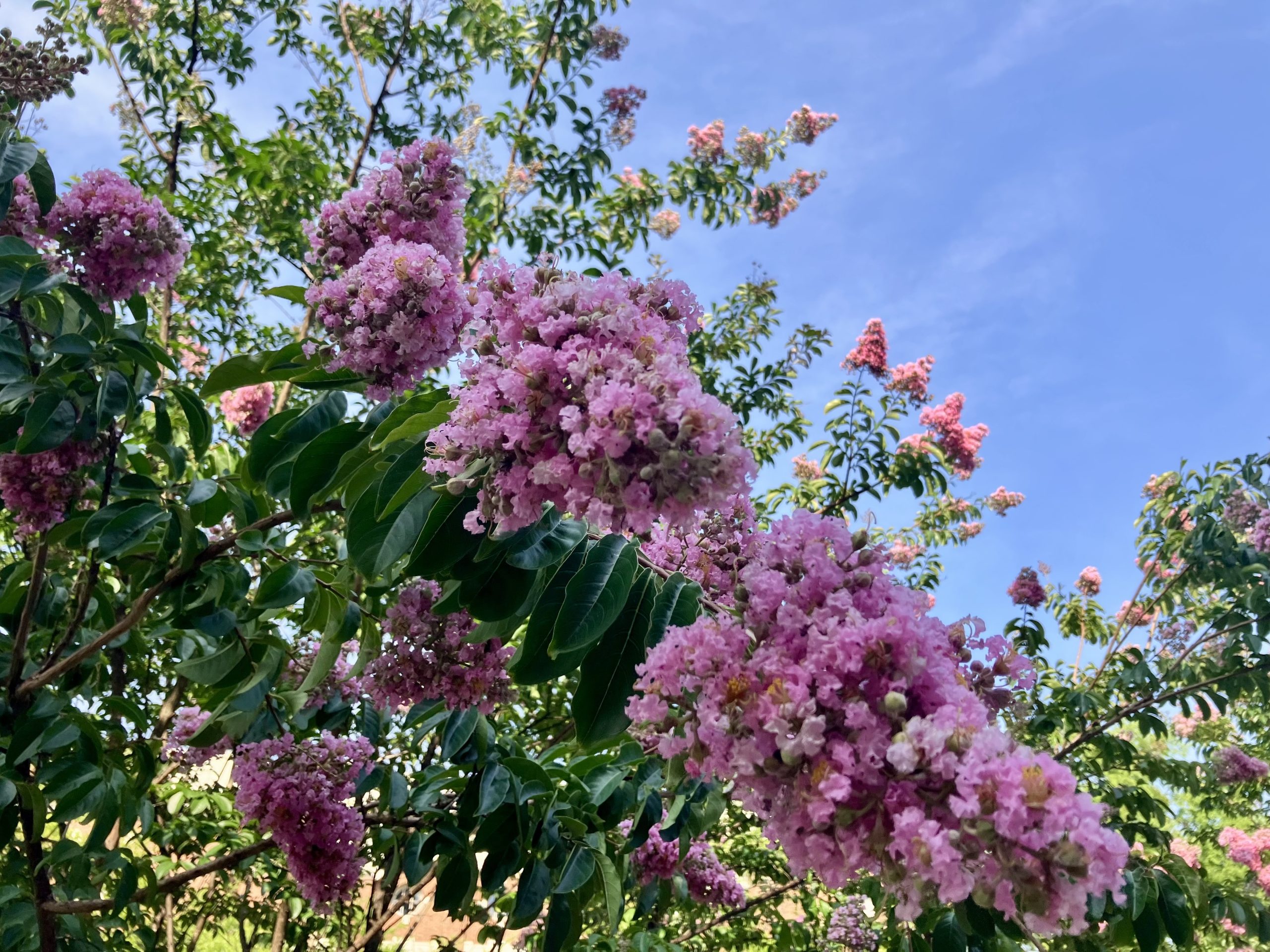
The crape myrtle bark scale (or CMBS) is a non-native insect pest that threatens the crape myrtle, a beloved shrub and small tree. With abundant summer blooms, crape myrtles hold a special place in urban landscape.
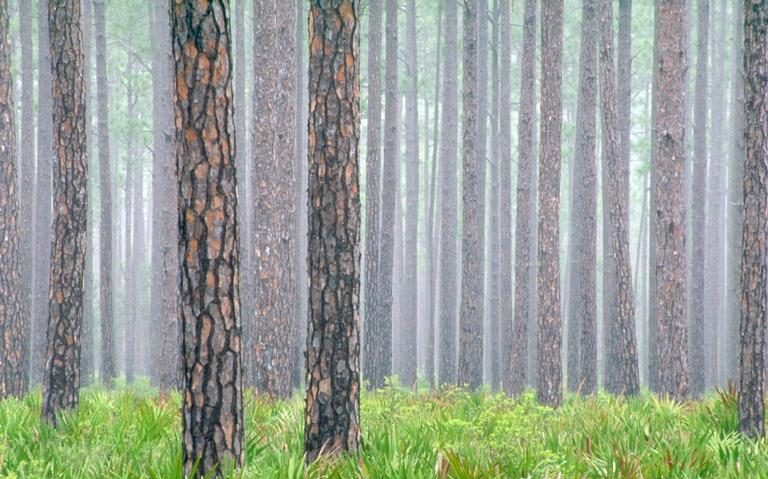
For tax years beginning after July 4, 2025, sellers may elect to pay the net income tax attributable to gain from the sale or exchange of qualified farmland property to a qualified farmer in four equal annual installments instead of paying the full amount in the year of sale.

For many of us, sipping a cup of coffee while watching the birds is the perfect way to start the day. But what if your morning coffee could actually help protect those birds?

For many of us, sipping a cup of coffee while watching the birds is the perfect way to start the day. But what if your morning coffee could actually help protect those birds?

Drought conditions can negatively impact your fish pond, no matter how big or small it may be. Water temperatures rise and water levels drop, impacting fish, algae, and plant growth.

Southern pine beetle, spotted lanternfly, fall webworm, and elm leaf beetles, oh my! Keep your eyes open for these summer tree insects.

On May 8, Governor Brian Kemp signed HB 223 into law, providing multiple forms of tax relief for timber owners and farmers who suffered substantial economic losses from Hurricane Helene. Key provisions are listed here.
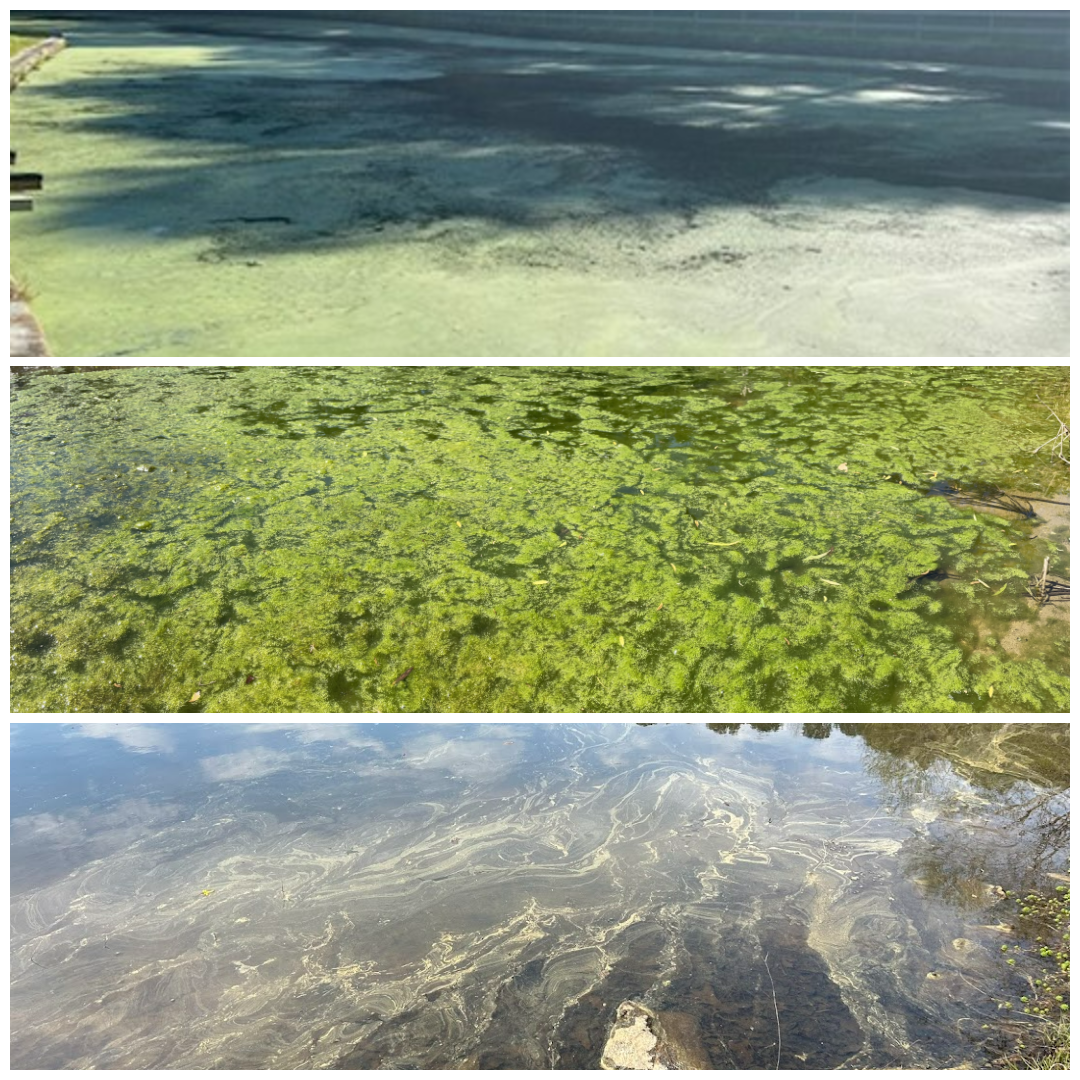
Springtime in Georgia may be delightful, but for pond owners, it often brings about confusion and frustration as their ponds undergo seasonal changes. One such change is the appearance of plants and other organic materials on the surface of the pond.
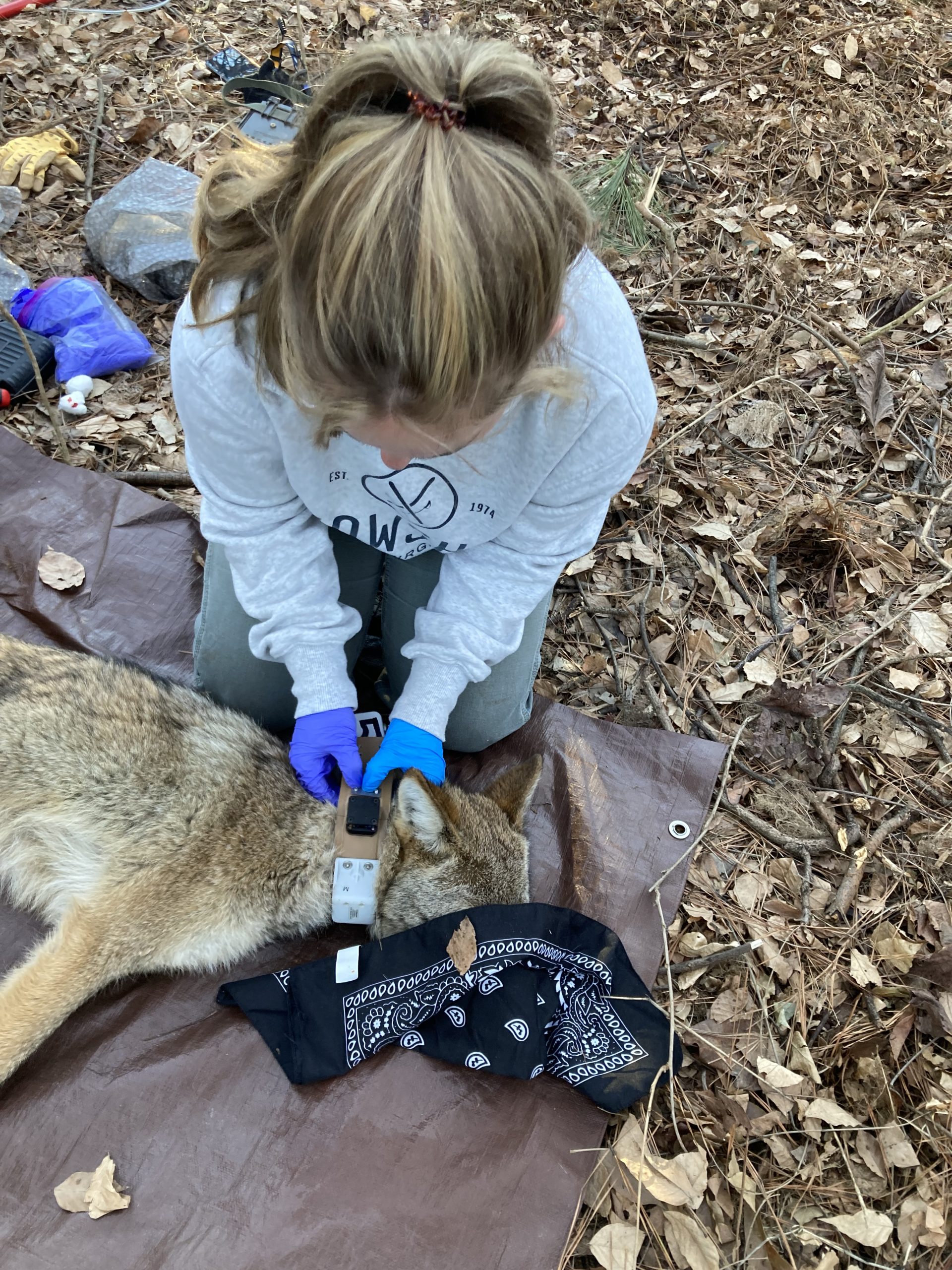
As human populations grow and encroach upon wildlife habitats, the potential for human-wildlife interactions increases. Atlanta is home to over 6 million people and ranked as the 4th fastest-growing city in the United States. Atlanta’s extensive green spaces and dense canopy cover allow for wildlife to thrive, including the coyote (Canis latrans).
Following an outbreak that moved northward through Central America and Mexico, the U.S. Department of Agriculture (USDA) confirmed the return of the New World screwworm into the U.S. in June 2026.
Soybeans are are an excellent summer forages for white-tailed deer in Georgia but they can be challenging to successfully establish and maintain. Luckily, there are several worthwhile legume alternatives!
The crape myrtle bark scale (or CMBS) is a non-native insect pest that threatens the crape myrtle, a beloved shrub and small tree. With abundant summer blooms, crape myrtles hold a special place in urban landscape.
For tax years beginning after July 4, 2025, sellers may elect to pay the net income tax attributable to gain from the sale or exchange of qualified farmland property to a qualified farmer in four equal annual installments instead of paying the full amount in the year of sale.
For many of us, sipping a cup of coffee while watching the birds is the perfect way to start the day. But what if your morning coffee could actually help protect those birds?
For many of us, sipping a cup of coffee while watching the birds is the perfect way to start the day. But what if your morning coffee could actually help protect those birds?
Drought conditions can negatively impact your fish pond, no matter how big or small it may be. Water temperatures rise and water levels drop, impacting fish, algae, and plant growth.
Southern pine beetle, spotted lanternfly, fall webworm, and elm leaf beetles, oh my! Keep your eyes open for these summer tree insects.
On May 8, Governor Brian Kemp signed HB 223 into law, providing multiple forms of tax relief for timber owners and farmers who suffered substantial economic losses from Hurricane Helene. Key provisions are listed here.
Springtime in Georgia may be delightful, but for pond owners, it often brings about confusion and frustration as their ponds undergo seasonal changes. One such change is the appearance of plants and other organic materials on the surface of the pond.
As human populations grow and encroach upon wildlife habitats, the potential for human-wildlife interactions increases. Atlanta is home to over 6 million people and ranked as the 4th fastest-growing city in the United States. Atlanta’s extensive green spaces and dense canopy cover allow for wildlife to thrive, including the coyote (Canis latrans).