News

The Return of the New World Screwworm

Written by: Marcelo Jorge and Michael Yabsley

Following an outbreak that moved northward through Central America and Mexico, the U.S. Department of Agriculture (USDA) confirmed the return of the New World screwworm (NWSCochliomyia hominivorax) into the U.S. in June 2026.  To date (June 24), 19 confirmed cases have been reported in Texas (n=18in cattle, goats, and sheep, and 1 dog in New Mexico. The USDA maintains an updated situation map (pictured). While there are currently no confirmed cases in Georgia, the Georgia Department of Agriculture has expanded entry restrictions for warm-blooded animals coming from affected areas.  

USDA data on New World Screwworm confirmed detections as of June 24th, 2026. To find more information please visit screwworm.gov.

Unlike typical blowflies that lay eggs in decaying matter, the NWS targets living tissue in any warm-blooded animals, including humans. The infestation cycle begins when a female fly lays hundreds of eggs at the edge of a wound and within a day the eggs hatch into larvae and start consuming tissue. Any cuts, scrapes, tick bites, scratches, and even the navels of newborn animals are targeted by the flies. This condition, if left untreated, can be fatal to the animal in as few as seven days. After feeding for up to a week, the mature maggots drop into the soil to eventually emerge as adult flies days later to repeat the cycle. That’s why it’s important to not only clean out the wounds very well but to also pick up and dispose of any larvae that fall.

Livestock (cattle, sheep, goats, pigs) are at the highest risk of infestation but domestic pets are also at risk with dogs being the 2nd most common host reported. While humans can be infested, the CDC notes that the current public health risk remains low. Of extreme concern is that wildlife, such as deer and other wildlife, are also susceptible. Historic outbreaks have led to reports of 80100% fawn mortality, critically impacting deer herds. But even less is known about the impact to other warm-blooded wildlife.

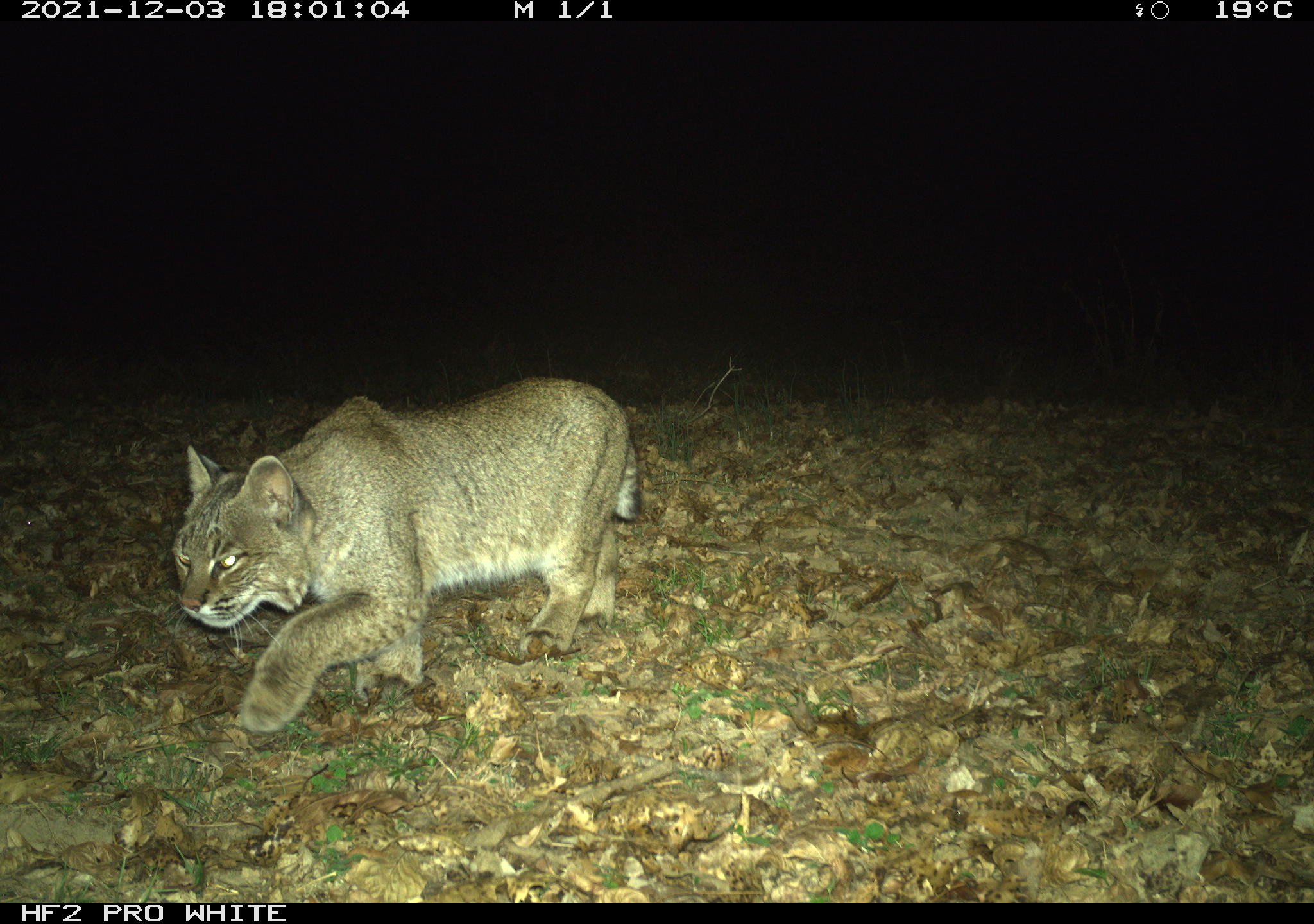
White-tailed deer (Odocoileus virginianus), American black bear (Ursus americanus), Wild turkey (Meleagris gallopavo), and bobcat (Lynx rufus) are all species susceptible to NWS, but detection is much more difficult compared to livestock and pets. 

Inspect. Report. Protect.

Because early detection stops the spread, Georgia livestock producers and pet owners should check animals daily, watching for wounds that fail to heal and instead grow larger or deeper. Infested injuries often emit a distinct foul odor. Although the cuts or wounds may be small on the surface, multiple larvae can pack tightly together under the flesh. Animals will also show signs of severe discomfort, such as shaking their heads, biting at a wound, or isolating themselves.

To protect your animals, treat all minor cuts immediately with antiseptic or fly-repellent sprays. The FDA maintains an up-to-date list of approved medications for prevention and treatment of NWS that can be acquired either from your veterinarian or over the counter. Anyone moving animals into Georgia from Texas or affected counties in New Mexico must strictly follow state veterinary inspection and permit laws. If you suspect an infestation, report it to authorities immediately so they can be properly collected for lab testing and treated by veterinarians. Treat it as an emergency and immediately call the Georgia Office of the State Veterinarian (404-656-3667; AnimalHealth@agr.georgia.gov) and contact the Georgia Department of Natural Resources (706-557-3333) for any wildlife cases. 

The Return of the New World Screwworm

Written by: Marcelo Jorge and Michael Yabsley

Following an outbreak that moved northward through Central America and Mexico, the U.S. Department of Agriculture (USDA) confirmed the return of the New World screwworm (NWSCochliomyia hominivorax) into the U.S. in June 2026.  To date (June 24), 19 confirmed cases have been reported in Texas (n=18in cattle, goats, and sheep, and 1 dog in New Mexico. The USDA maintains an updated situation map (pictured). While there are currently no confirmed cases in Georgia, the Georgia Department of Agriculture has expanded entry restrictions for warm-blooded animals coming from affected areas.  

USDA data on New World Screwworm confirmed detections as of June 24th, 2026. To find more information please visit screwworm.gov.

Unlike typical blowflies that lay eggs in decaying matter, the NWS targets living tissue in any warm-blooded animals, including humans. The infestation cycle begins when a female fly lays hundreds of eggs at the edge of a wound and within a day the eggs hatch into larvae and start consuming tissue. Any cuts, scrapes, tick bites, scratches, and even the navels of newborn animals are targeted by the flies. This condition, if left untreated, can be fatal to the animal in as few as seven days. After feeding for up to a week, the mature maggots drop into the soil to eventually emerge as adult flies days later to repeat the cycle. That’s why it’s important to not only clean out the wounds very well but to also pick up and dispose of any larvae that fall.

Livestock (cattle, sheep, goats, pigs) are at the highest risk of infestation but domestic pets are also at risk with dogs being the 2nd most common host reported. While humans can be infested, the CDC notes that the current public health risk remains low. Of extreme concern is that wildlife, such as deer and other wildlife, are also susceptible. Historic outbreaks have led to reports of 80100% fawn mortality, critically impacting deer herds. But even less is known about the impact to other warm-blooded wildlife.

White-tailed deer (Odocoileus virginianus), American black bear (Ursus americanus), Wild turkey (Meleagris gallopavo), and bobcat (Lynx rufus) are all species susceptible to NWS, but detection is much more difficult compared to livestock and pets. 

Inspect. Report. Protect.

Because early detection stops the spread, Georgia livestock producers and pet owners should check animals daily, watching for wounds that fail to heal and instead grow larger or deeper. Infested injuries often emit a distinct foul odor. Although the cuts or wounds may be small on the surface, multiple larvae can pack tightly together under the flesh. Animals will also show signs of severe discomfort, such as shaking their heads, biting at a wound, or isolating themselves.

To protect your animals, treat all minor cuts immediately with antiseptic or fly-repellent sprays. The FDA maintains an up-to-date list of approved medications for prevention and treatment of NWS that can be acquired either from your veterinarian or over the counter. Anyone moving animals into Georgia from Texas or affected counties in New Mexico must strictly follow state veterinary inspection and permit laws. If you suspect an infestation, report it to authorities immediately so they can be properly collected for lab testing and treated by veterinarians. Treat it as an emergency and immediately call the Georgia Office of the State Veterinarian (404-656-3667; AnimalHealth@agr.georgia.gov) and contact the Georgia Department of Natural Resources (706-557-3333) for any wildlife cases. 

Categories

Archives